Powered By


Powered By
Powered By
Walk into your office or store. Take a look around you. Is the paint coming off the walls? Is your Open sign broken and just hanging there by a wire? Is the floor dirty with dust from a long time ago? I do not think so.
You make sure your office or store looks nice because the moment someone sees it they decide if they can trust your business. Your physical space represents your brand, so you keep it clean, organized, and professional. The same idea applies to your website.
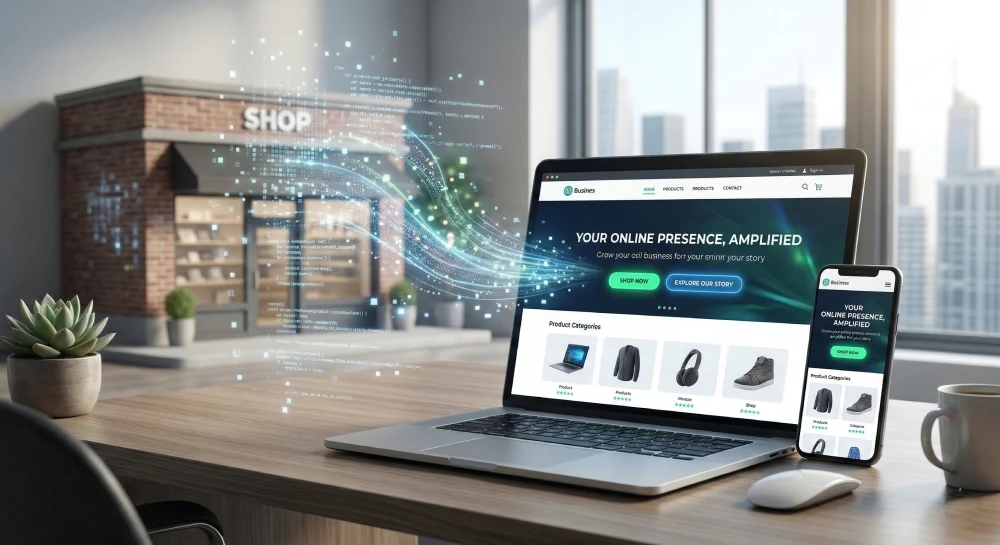
Open your business website on your phone right now. Ask yourself honestly: does it look outdated or poorly maintained? In 2026, your website is often the first place customers learn about your business. If your website looks neglected, visitors may assume your business is the same way.
If the website is slow, people assume your service is slow. If it is hard to find information, people think it will also be difficult to work with your company.
Technology moves fast. A website built in 2020 is already starting to age, and a website from 2015 feels extremely outdated today. Web design and technology evolve quickly, which means businesses need to keep their digital presence updated.
So how do you know when it is time to redesign your website? Here are five clear signs.
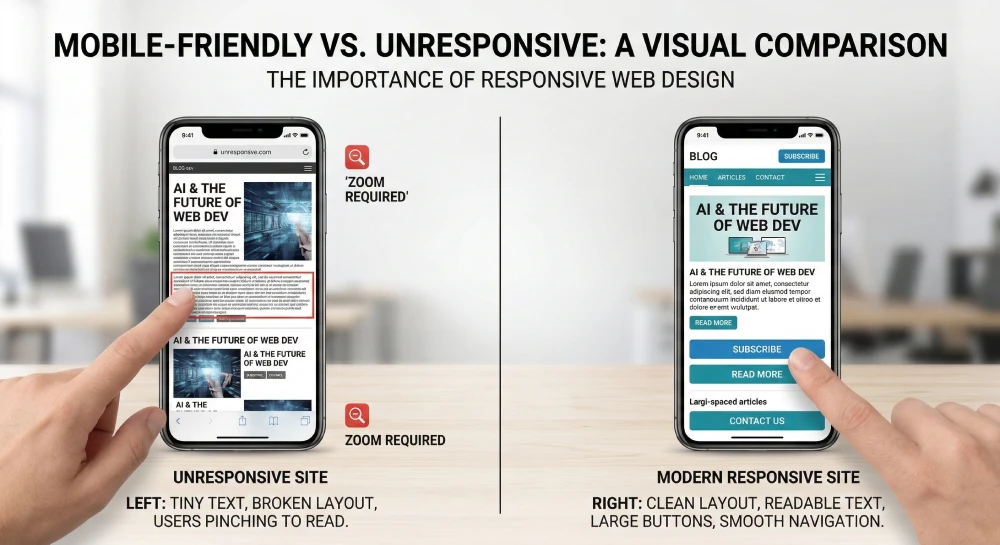
Mobile usability is one of the biggest factors in 2026. Open your website on your smartphone and check the experience.
If you answered yes to any of these questions, your website is not mobile friendly. More than 60% of website traffic now comes from mobile devices. If visitors struggle to use your site, they will quickly leave and go to a competitor.
The Google Factor: Google now uses Mobile-First Indexing. This means Google primarily evaluates the mobile version of your website when deciding rankings. If your mobile experience is poor, your rankings will suffer.
The Solution: Responsive design automatically adjusts your website layout based on the screen size. Images stack properly, text becomes readable, and buttons become easy to tap.
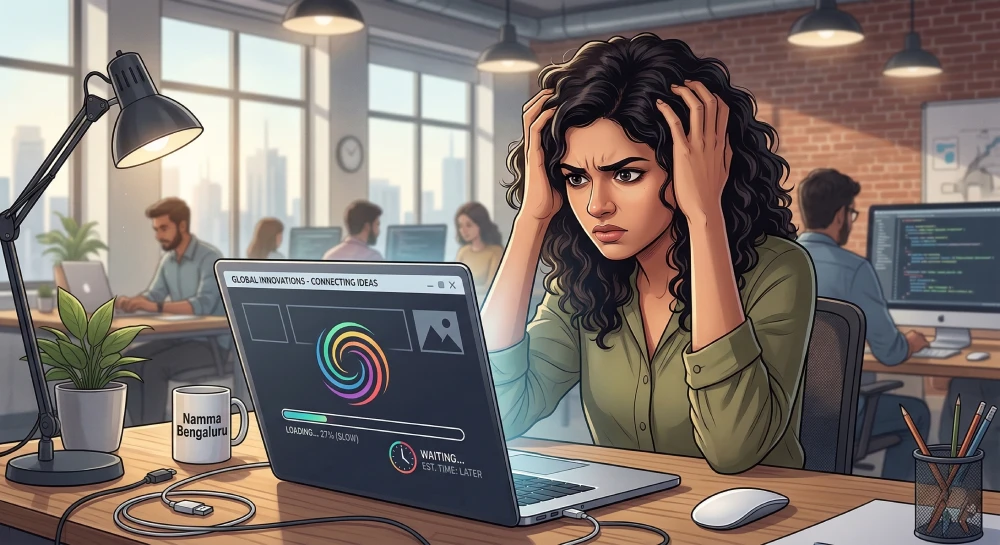
People expect instant results online. If your website takes longer than three seconds to load, many visitors will leave.
According to Google data:
Signs your website is too slow:
Older websites are often slow because they use outdated code, oversized images, and technologies like Flash that are no longer supported.
The Solution: A redesign improves performance using optimized code, modern image formats like WebP, and server caching techniques that significantly improve loading speed.
Scroll to the bottom of your website and check the copyright year. If it says something like © 2018 or older, visitors may assume your business has not been updated in years.
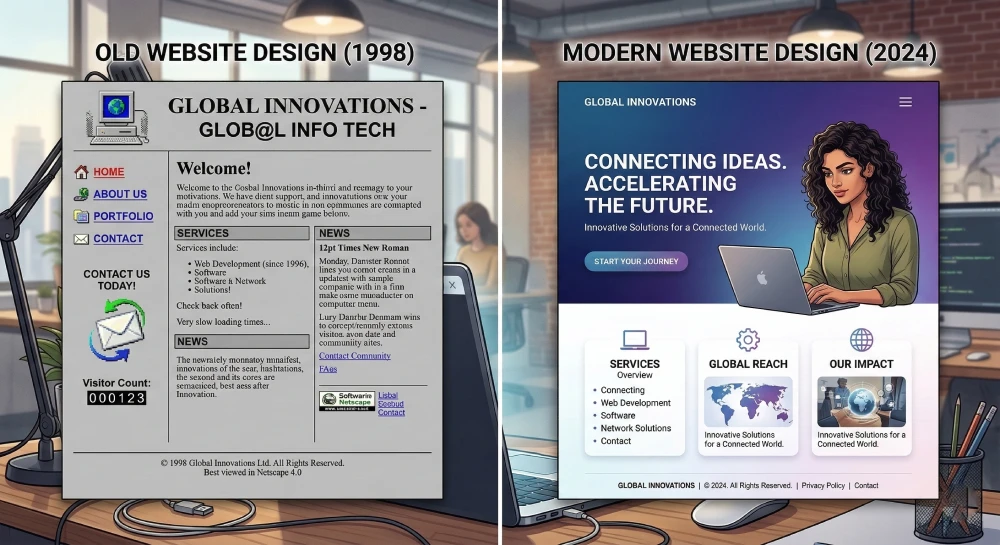
Design trends evolve quickly. Modern websites focus on:
Older websites often look cluttered with too many menu items, long blocks of text, and generic stock photos.
A modern design helps build trust and shows that your business is active, professional, and up to date.
Many small business owners face this frustrating situation:
Your website should be a tool that helps your business grow, not something you feel locked out of.
The Solution: Modern websites include an easy-to-use admin panel or content management system.
You should have full control over your content without relying on someone else for every update.
You might have website traffic but very few inquiries or calls. For example:
This means your website is leaking potential customers.
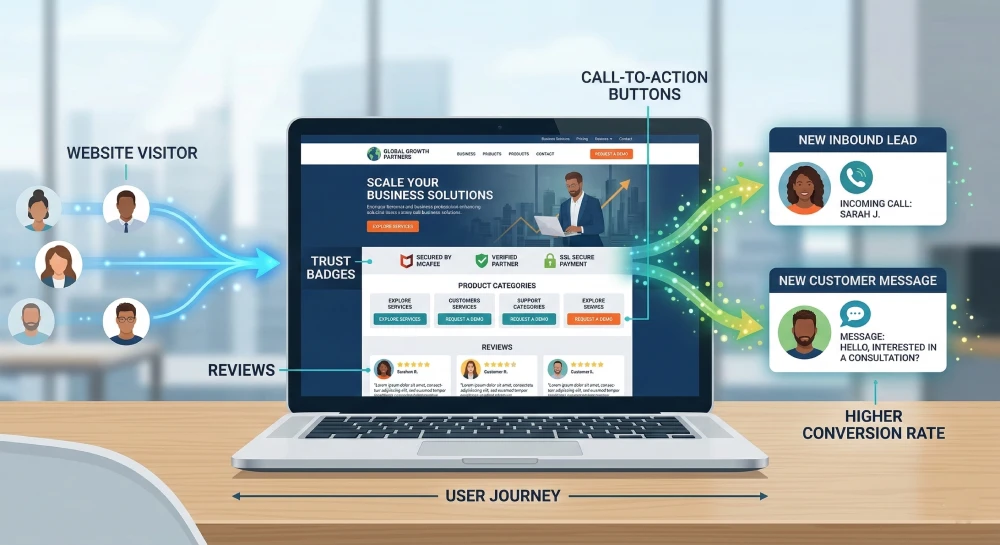
Common reasons old websites fail to convert:
Modern web design focuses on guiding visitors through a clear User Journey.
A well-designed website is not just about appearance. It is about helping your business generate leads and revenue.
Your website works for your business 24 hours a day. It is often the first impression customers have before they even speak with you.
If that employee showed up to work in dirty clothes, ignored customers, and fell asleep at the desk, you would not keep them employed. The same logic applies to an outdated website.
Redesigning your website is not simply an expense. It is an investment in your business growth.
A modern, fast, and user-friendly website improves credibility, increases conversions, and strengthens your digital presence.
If your website shows any of these five signs, it may be time for an upgrade.
Is your website overdue for a makeover?
Contact us today for a free website audit and discover how a modern redesign can transform your online presence.
Most small business websites should be redesigned every 3 to 5 years. Technology, design trends, and user expectations change quickly, and an outdated website can affect credibility, search rankings, and lead generation.
Common signs of an outdated website include slow loading speed, poor mobile experience, outdated design, broken forms, and difficulty updating content. If your website also receives traffic but does not generate leads or inquiries, it may need a redesign.
More than 60% of website traffic comes from mobile devices. If your website is not responsive and easy to use on smartphones and tablets, visitors will leave quickly. Mobile-friendly websites also rank better on Google due to mobile-first indexing.
Yes. A modern website redesign can improve site speed, mobile usability, user experience, and technical SEO. These factors help search engines rank your website higher and improve the chances of attracting more visitors and leads.
981 Main St West, Hamilton, ON L8S 1A8, Canada.

Priyank Patel is the Founder & CEO of HRINFOCARE Limited. With over 20 years of experience in web development, software solutions, AI integration, SEO, and business automation, he has helped companies across Canada, the United States, and internationally build scalable digital solutions.
Unlike traditional agencies where consultations are handled by sales representatives, your strategy session is conducted directly by Priyank, providing practical business and technical guidance based on real-world experience.

