Powered By


Powered By
Powered By
We’ve each been there.
"Hey Siri, what's the weather today?" "Alexa, how long does it take to boil an egg?" "OK Google, find a plumber near me that's open right now."
What began as something fun’s turned into a big change in how people act. Voice searching isn’t sci-fi anymore - it’s what tons of folks do every day. But for local shops, that quick “find a…” shout? That’s where the real fight for buyers kicks in.
Imagine someone’s ready to buy - what happens when they ask their device for help? Will your name come up, or will it skip right past you? Could be another business wins that moment.
If you’re not chosen, you don’t exist. Here’s the deal on voice search - learn it so customers pick your business when they ask out loud.
Folks act different when speaking than typing - that’s where voice search makes sense.
Typed Search: "best plumber Hamilton"
Voice Search: "Who is the best plumber in Hamilton with 5-star reviews?"
A huge percentage of voice searches are for local information: "What's the best coffee shop near me?" "Call a pizza place in my area."
When typing a query, you see ten clickable links lined up. Asking a voice device? You usually hear just one reply. People aim to complete tasks - like finding routes, phoning someone, or checking info. No next page shows up. Either your result gets picked, or it doesn't.
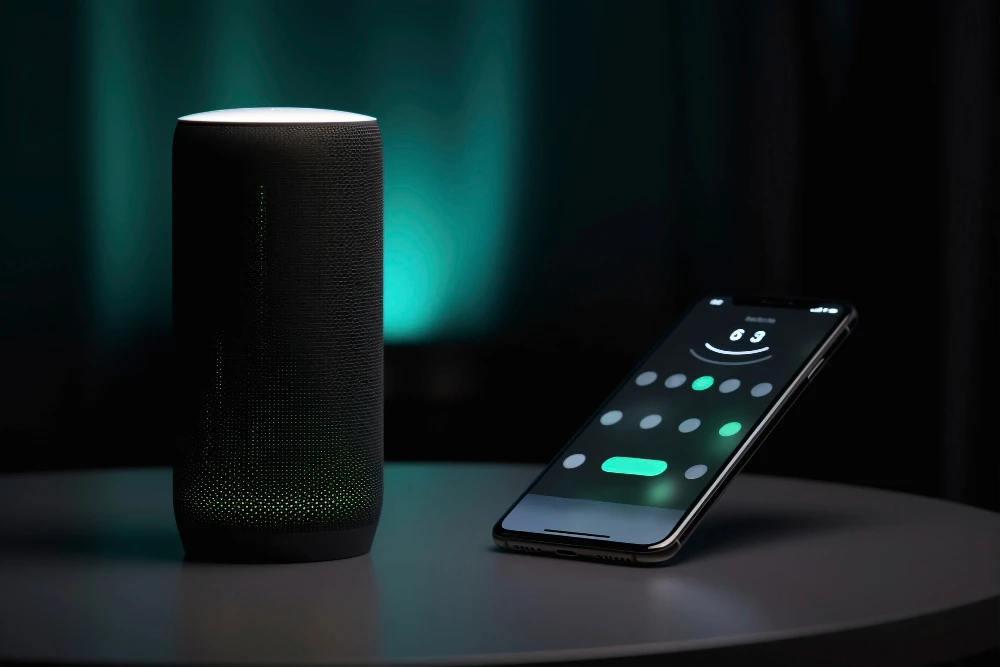
This piece matters more than anything else - grasp it well. Voice helpers don't know everything - they grab replies from narrow, reliable spots using smart filters instead.
Your aim? Get your business info found fast - simple, clear, trustworthy. People usually check three spots:
Your Google Business Profile helps answer who’s involved, what you do, where it is, also when things happen.
"What are the hours for [Your Business]?"
"Call [Your Business]."
"Get directions to [Your Business]."
The AI grabs this info straight from your GBP.
Your website’s FAQ plus content answers how things work or why they matter.
"How much does a simple will cost?"
"What's the difference between manual and vestibular physiotherapy?"
The AI checks sites - looking for straightforward, neatly organized replies to those queries - while using different ways to connect ideas without repeating itself.
Top results on Google - those appear right up front in a regular search. Sometimes, your voice helper just says them out loud.
You don’t need a special plan for voice searches. Just build a smart website and fix your SEO. Try these four spots to improve. Focus here first.
1. Perfect Your Google Business Profile
This one's set in stone. Since voice searches focus on location and immediate actions, Google Business Profile feeds them most details. When someone says, "find a plumber close by," but your listed number is outdated, you miss out right away.
Your name, plus your address - make sure they’re correct wherever you list them. Phone number? Double-check it’s right across all spots. Also, update your open hours regularly so people aren’t confused. Keep everything matching - no mix-ups allowed.
2. Create Conversational, Question-Based Content
Quit focusing on keywords - begin solving real doubts. Use your site’s blog or help sections to reply clearly when users ask stuff.
A dedicated FAQ section? Add it to your site. It works great for voice queries. Try a post called "How to Get Ready for Your First Physio Visit." That beats something like "Tips for Physio" when spoken aloud
3. Ensure Your Website is Lightning-Fast
Voices want quick replies. Because if your page loads slower than five seconds, Google skips it. So a sluggish website? Forget about it.
Action: Build your site on a quick, up-to-date base that works great on phones first. (Next post dives deep into how!)
4. Build a Well-Structured, SEO-Optimized Site
A cluttered site confuses artificial intelligence. Because voice helpers need obvious clues to grasp what you're saying.
Your site should have a neat layout - start with right headings like H1, H2, or H3. Use bullet points now and then so things don’t look messy. Navigation’s got to make sense too, not confusing. A well-built page helps bots from Google, sure - but also guides smart speakers and chat tools better. It’s more than search engines, think broader.
A business that is "ready for voice search" is simply a business that has a:
An outdated, sluggish, or cookie-cutter site fades from today’s search results. It doesn’t load well, feels unreliable, yet lacks speed.
Over at ItsProWebsite, we make sites from scratch that load quick, stay safe online, plus follow today’s search rules just right. Instead of generic setups, our SEO plans handle your Google profile while adding smart FAQs and blogs - so voice tools or AI can actually spot your business.
Stay ahead - don’t just follow what others do. Get set so you’re prepared when someone wants your help.
Voice search allows users to search the internet using spoken commands through devices like Alexa, Google Assistant, and Siri. In SEO, it focuses on optimizing content for natural, conversational questions rather than short typed keywords.
Voice search is growing rapidly, especially for local and service-based businesses. Being optimized helps your business appear in quick answers, local results, and “near me” searches used by voice assistants.
Voice search favors longer, question-based phrases and natural language. Instead of short keywords, businesses should target conversational queries like “How do I find” or “Best service near me.”
No, while local businesses benefit the most, eCommerce sites, service providers, and content-driven websites can also gain traffic by optimizing for voice-based queries and featured snippets.
981 Main St West, Hamilton, ON L8S 1A8, Canada.

Priyank Patel is the Founder & CEO of HRINFOCARE Limited. With over 20 years of experience in web development, software solutions, AI integration, SEO, and business automation, he has helped companies across Canada, the United States, and internationally build scalable digital solutions.
Unlike traditional agencies where consultations are handled by sales representatives, your strategy session is conducted directly by Priyank, providing practical business and technical guidance based on real-world experience.

