Powered By


Powered By
Powered By
Around web design and SEO talks in 2026, one query shows up again and again:
"Does our website's FAQ page actually do anything?"
Yes - massively. When set up properly, that response becomes clear. By 2026, a smart FAQ section ranks among the most effective pages for any small company online. It works because it hits three current search demands at once:
Start by looking at what makes it function properly.

Surprisingly, plenty of small business owners toss together an FAQ page once they’re already up and running - usually because staff keep hearing the same queries over the phone. It works okay at first, sure. Yet when planned carefully, that same page can do far more than save time. Its real role? Shaping how visitors understand the brand before even reaching out.
When done well, this page pulls more weight than almost any other part of your site.
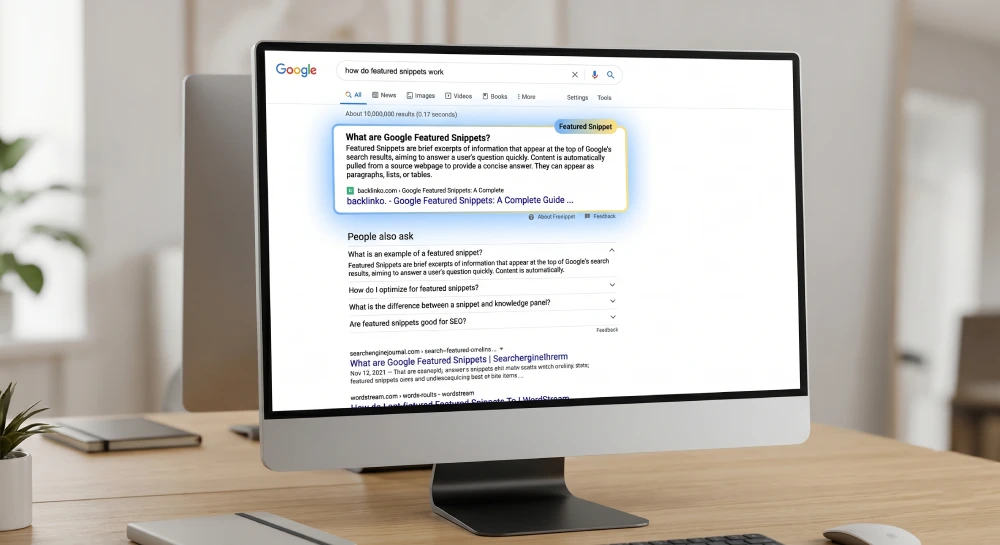
Most times someone types a query such as "How much does a website cost for a small business?", Google aims to show an immediate reply - maybe inside a highlighted snippet up front, perhaps tucked into one of those dropdown questions labeled People Also Ask. While the format shifts, the goal stays fixed: cut through noise, deliver clarity fast. A single question, matched with its short, precise reply, stands ready to be pulled by Google. The format leans on balance - nothing too long, nothing left vague.
Not every result looks the same; some answers pop out bold, others wait behind a click. Yet each version serves that single moment when confusion meets information. Structure bends based on what's available, not rules carved in stone. One search might pull numbers from a blog, another pulls data from a forum thread written years ago. The machine watches behavior, adjusts silently. Answers appear only after layers of signals align - authority, freshness, phrasing. Even then, nothing guarantees placement. What works today could vanish tomorrow without warning.
Most people tend to click on these spots first. Eight to twelve percent of clicks go to featured snippets alone. Questions people ask often bring up your name, even when they are not looking for it directly.

Ask yourself what folks actually wonder about. Pull ideas from customer chats and support tickets too. Then check search queries people type when looking for answers.
Start here. Actual questions from real buyers matter most. Before signing up, folks wonder about specifics. Each conversation with sales reveals patterns. Those details hold value. Pay attention to what comes up again and again. Answers given daily add up. They point to what really counts.
Start by searching your core offering through Google. Peek at the “People Also Ask” drop-down there. Each listed question? Real searches made by actual users. Should one tie back to what you do, cover it plainly in your FAQ area. Match live curiosity with clear replies. Shape responses around how folks really ask. Let their words guide your answers. Stay close to the way questions show up. Turn those prompts into useful entries. Not guesswork - just reflect real queries. Build the list from what appears. Keep it grounded in visible demand.
Start by typing your topic into AnswerThePublic - see what real queries pop up. People tend to wonder similar things, so check AlsoAsked for patterns others search. Google Search Console shows actual phrases visitors use when they land on your pages. Build each answer around those repeated questions. Shape the responses so they match how users phrase their doubts. Focus shifts naturally when you follow what's already being asked.
For a web design company like ItsProWebsite, example high-value FAQ questions would include:
Building a professional site usually takes weeks, sometimes months. One moment you’re choosing colors, next thing you know, coding begins. Pages form slowly, shaped by feedback loops and small fixes. Some rush through; others linger on tiny details. Launch day arrives when everything aligns - content, design, function - all clicking into place.
Your site stops working online once you cancel the plan. Access ends completely after the billing period finishes. Files stay saved for a short time but are not reachable. Recovery options exist only within that limited window. After deletion, everything is gone permanently.
A website plan focuses on structure, pages, layout. An SEO plan targets visibility in search engines. One builds how it looks, the other helps people find it online. Design matters here, discovery there. This handles navigation, that improves rankings. Function shapes user experience, optimization pulls in traffic. Each has its role, neither replaces the other.
Each of these is a real search query that aligns with your website design plans and pricing pages.

These tools scan pages fast, yet skip long paragraphs. A question pops up - can they grab what matters? Structure helps, but only if it matches how machines hunt facts. Some sites win attention by answering straight. Others lose out, buried under fluff. Simple wins when bots come looking.
Direct answer + followed by supporting details/context + optional call to action.
Example: What's the monthly price tag on a basic company site?
(Bad Example): A small business website might run around fifty dollars monthly. Payment shifts based on hosting quality or design needs. Some pay less, others more, depending on features chosen. Updates and maintenance add to the total over time. Custom tools can raise expenses without warning. Security measures also influence price each month.
(AEO Optimized Example): A small business site handled by pros often runs from forty-nine to one hundred ninety-nine dollars each month through a subscription model. Usually, that price covers layout work, server space, protection measures, refreshes, yet also light search engine tweaks - removing the burden of shelling out three thousand to eight thousand up front for something tailor-made. Services such as ItsProWebsite roll out options beginning at forty-nine bucks a month, so even tiny shops can get a solid online look without strain.
This way of answering matches how AI systems pull, quote, and speak information. Clear facts get noticed. Trust builds easily here. Now look at something fuzzy instead - phrases such as “cost changes based on what you want.” Machines ignore that. People do too.

Picture this - FAQ schema lives as JSON-LD code tucked inside either the or section of your webpage. For clarity, take a look at this basic version:
{
  "@context": "https://schema.org",
  "@type": "FAQPage",
  "mainEntity": [
    {
      "@type": "Question",
      "name": "How much does a small business website cost per month?",
      "acceptedAnswer": {
        "@type": "Answer",
        "text": "A professionally managed small business website typically costs between $49 and $199 per month on a subscription plan, including design, hosting, security, updates, and SEO."
      }
    }
  ]
}
Start each query from your FAQ right inside this setup. Run through Google’s Rich Results Test to check how it works prior to going live. At ItsProWebsite, FAQ schema is built into every website we create as part of our advanced SEO features.
Most people start voice searches with words like what, how, or where. Questions flow naturally that way. An FAQ section built clearly pulls in those spoken requests. It just fits how voices ask things.
For voice search optimization, make sure:
Our fast-loading website service ensures every page on your ItsProWebsite loads well within the speed threshold needed for voice search eligibility.
Your FAQ section isn’t something you build once and leave alone. Go back often - refresh answers when needed. Change comes fast; your responses should keep up. Outdated info confuses more than helps. Check every few months, at least. Shifts in questions mean shifts in replies. Users notice when things feel stale. Small tweaks make a big difference over time.
Twice a year is the least you might aim for, just so things stay current. Fresh dates catch attention online. When Google sees a recently revised FAQ section, it treats the details as timely, trustworthy. A new timestamp hints that someone's actually maintaining things here.
Most likely, your site misses out when questions aren’t laid out clearly. A strong Q&A section could quietly become the most effective addition this year. Without it - or with just bare bullet points - you skip chances to appear in search results. Missing structured data means losing visibility where answers matter. Keywords tucked into replies help machines notice what people ask.
Explore our frequently asked questions page to see how we structure FAQ content for both users and search engines.
Contact our team to discuss how we can build or optimize an FAQ page for your website - and start capturing featured snippets, AI citations, and voice search traffic today.
An FAQ page is a structured section of a website that answers common user questions clearly, helping both search engines and AI tools understand and extract information.
AI tools like ChatGPT and Google AI Overviews extract answers directly from structured content, making FAQ pages highly valuable for visibility.
They improve keyword coverage, increase chances of featured snippets, and enhance user experience with direct answers.
Clear answers, structured formatting, strong topical authority, and schema markup help AI systems select and cite your content.
981 Main St West, Hamilton, ON L8S 1A8, Canada.

Priyank Patel is the Founder & CEO of HRINFOCARE Limited. With over 20 years of experience in web development, software solutions, AI integration, SEO, and business automation, he has helped companies across Canada, the United States, and internationally build scalable digital solutions.
Unlike traditional agencies where consultations are handled by sales representatives, your strategy session is conducted directly by Priyank, providing practical business and technical guidance based on real-world experience.

