Powered By


Powered By
Powered By
One day, a person picks up their phone. They ask it to find the top plumber nearby. Two businesses offer the same service in town. Each has an online site. Each shows up on Google Maps. Yet the voice answers with just a single name. One vanishes from sight while the other appears out of nowhere. The screen stays quiet about the second. Nothing pops up. No call comes through that way.
What sets it apart? Citations tied to your area, along with how uniform details about the company appear online.
By 2026, artificial intelligence systems and talking queries have changed how results get picked. Local listing work has turned into something small firms gain big from doing. Though tools evolve fast; trust still comes from being found easily.
On the web, someone might list your company’s name, address, and phone number. These details show up in places like directories or review pages. Sometimes they’re on maps. Other times they are found tucked inside articles. Even forums may hold a reference. Each appearance counts, and accuracy matters each time it appears.
Out there, where data flows freely, repeated mentions of your business build quiet credibility. Spotting the same details on several respected sites tells both algorithms and crawlers: this company exists, it stays put, its presence holds up. That steady pattern nudges recommendation systems a little closer to showing your name when someone searches nearby.
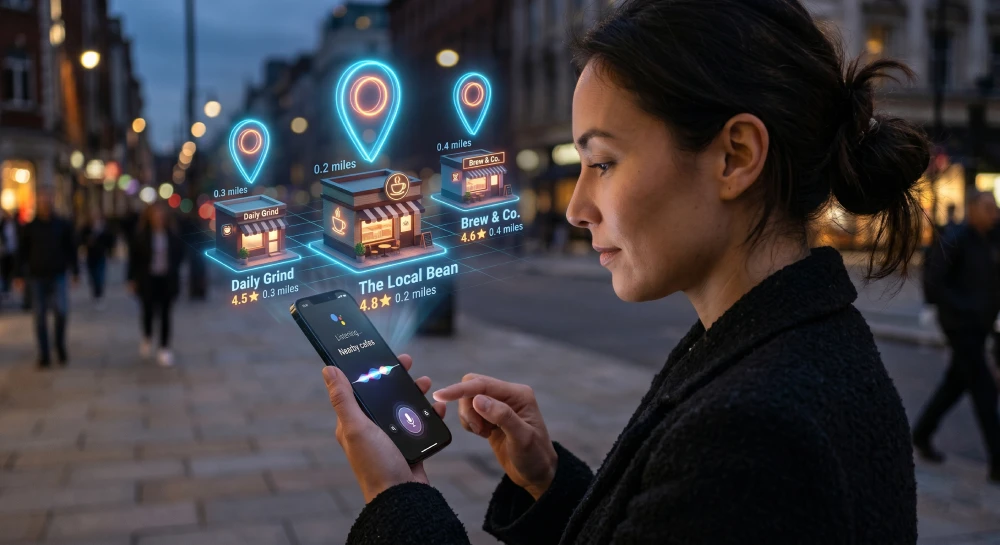
Picture this: your company popping up when someone asks an AI assistant a question. That happens because the tech behind tools like Google’s new answers, ChatGPT, Perplexity, or Gemini picks your name. Making sure it does-that’s what people now call Generative Engine Optimization (GEO).
Most artificial intelligence tools go beyond one single page. Pulling pieces from everywhere online, they spot repeated details about companies. Local listings matter a lot here. Seeing your name, address, and phone number match up on many reliable sites makes those smart machines trust the info more. Confidence grows when patterns stay steady across locations.
A practical case shows what happens when someone types into an AI assistant: "What is a good web design company in Winnipeg, Canada?" The system pulls live results by scanning directories, customer feedback, media articles, and location services at once. One firm listed correctly across fifty trusted sites stands out far more than another seen only five times-and those few entries disagree on details. While inconsistency blurs visibility, accuracy sharpens it.
Exactly matching details matter more than anything else when listing a business online. Name, location, contact (NAP)-each piece must stay identical everywhere it appears. One slip in spelling or format breaks the pattern. Uniformity builds trust without saying a word. Wherever people look, they should see the very same information. Small differences cause confusion, even if slight. Repetition of the precise combo strengthens recognition naturally.
Mistakes that seem tiny can still trip up artificial intelligence systems, weakening how well you show up locally. Fix what's already out there before adding anything fresh.
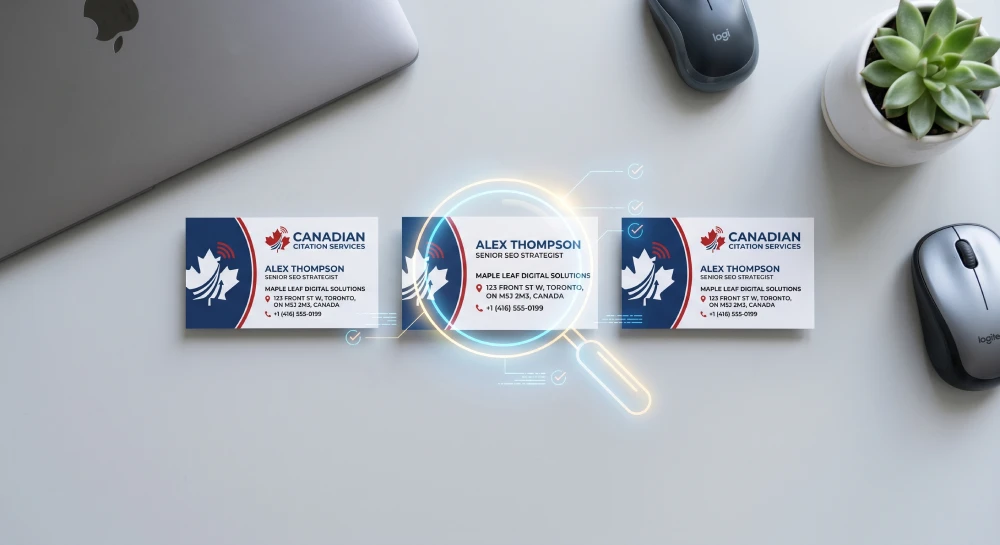
One key player helping machines learn is Data Axle (once known as Infogroup). Think of it like a digital phone book, but smarter. Next up, Neustar Localeze steps in when voice assistants need accurate local details; without it, your GPS might get confused. Then there's Factual (now tied to Foursquare Business), feeding location data into apps you use every day. Each one quietly shapes how devices understand places.
Start strong near snow-covered towns—Canada411 stands present. Moving through cities, YellowPages.ca appears often on screens. Not far behind, CanadaOne shows up where folks search locally. Canpages pops into view when directories matter most. Ever noticed LocalPages.ca while hunting services nearby? Cylex Canada slips in quietly among business seekers. Then there is N49.ca-seen more than once across provinces.
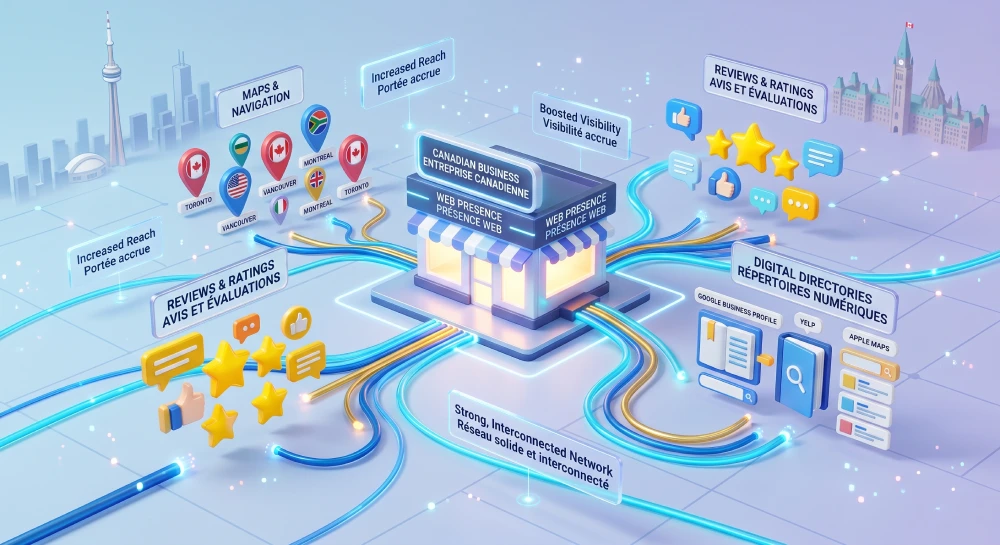
Start strong by lining up clean local listings alongside smart code tags on your site. One moment, your page quietly explains your role through organized details. Right after, the web at large echoes back matching facts from every angle. That steady match? It’s what shapes how machines now see local presence. Built right, it sets the stage without flash or guesswork.
Start strong with citations-they matter most. Yet glowing feedback on places like Google, Yelp, or BBB pushes visibility higher. Picture two shops: one has solid listings plus great ratings; the other only has those basic mentions. The first pops up more often when questions arise. Reviews add weight where it counts.
Start by asking pleased clients to share feedback—maybe on Google, though also check niche-specific sites where your business shows up. That kind of spread feeds something search experts name "review variety and speed," both clear hints to algorithms that matter for local visibility.
Start strong with visibility baked right in. Every site from ItsProWebsite rolls out the door already speaking the language of local search. Hidden code tags whisper key details to search engines, while words on the page match what nearby customers actually type. Pages split by service help neighborhoods find exactly who they need. Citations? They get planted steadily, then watched like a slow drip feeding roots underground. Follow-up happens quietly, keeping signals clear across directories.
Start by seeing how your company shows up online. Reach out if you’re curious about directory listings and citation accuracy. A complete review comes at no cost. Findings reveal current standing plus next steps clear as day. Details unfold in a straightforward report just for your business.
Book a free appointment with our team and start building the citation foundation that gets you found-on Google, on maps, and on every AI platform your customers use.
Local citations are online mentions of your business name, address, and phone number (NAP) across directories, maps, and websites. They help search engines verify your business and improve local rankings.
Local citations are still important because AI search systems and voice assistants rely on consistent business data across multiple platforms to decide which business to recommend.
NAP consistency means your business name, address, and phone number are exactly the same across all listings. Even small differences can reduce trust and hurt your rankings.
Citations strengthen your business credibility. When Google sees matching information across trusted directories, it increases your chances of ranking higher in local map results.
981 Main St West, Hamilton, ON L8S 1A8, Canada.

Priyank Patel is the Founder & CEO of HRINFOCARE Limited. With over 20 years of experience in web development, software solutions, AI integration, SEO, and business automation, he has helped companies across Canada, the United States, and internationally build scalable digital solutions.
Unlike traditional agencies where consultations are handled by sales representatives, your strategy session is conducted directly by Priyank, providing practical business and technical guidance based on real-world experience.

