Powered By


Powered By
Powered By
You might've noticed these. Type something into Google, then - before clicking any site - a large box pops up right away, giving an instant answer made by artificial intelligence.
Here come Google’s AI summaries - this shift marks the largest search update in years, yet it’s just starting to unfold.
Small business folks might find this shift scary. Chances are, you've come across alarming phrases like "zero-click search," "traffic-pocalypse," or claims that "SEO is gone." Here’s what worries people - when Google gives answers right there on the results screen, visitors may never bother going to your site.
That worry makes sense. Yet SEO hasn’t vanished - just changed shape.
This fresh era of searching calls for a different game plan. Check out this calm-down roadmap showing what AI summaries really mean, how they actually function, yet ways your local shop can shift gears to come out ahead.

A smart tool made by Google - called Gemini - gives quick answers based on what people search for. Instead of showing separate links, it pulls key details from popular sites, discussion boards, or local pages. This mix creates a single response that’s meant to help right away. Info comes together using insights from various high-ranked sources online.
Google’s making moves - so folks get answers quicker, plus easier access. Why now? They wanna speed things up for you.
You don’t need to open five pages just to find one answer - Google’s AI pulls info together, giving you a quick wrap-up. That saves regular folks loads of time. But for websites living off clicks? This shakes things up big time.
For 20 years, the goal of SEO was simple: get your website to be the 1 blue link.
In today’s world of AI summaries, things are different. Now, the top spot isn't first - it's called position zero. Some research says fewer people click through, yet Google still lists where it got info. Tiny links appear under answers - each points to a source site.
This sets up a pair of fresh targets for your SEO plan - so you’ve got more to aim at now
Target A: Get mentioned as a source. Right now, your main aim is to become one of those trusted, top-tier sites Google’s AI pulls info from when showing summaries.
Aim for spot B: go beyond the surface. Instead of just showing up top, target those regular search results people click when they’re curious for extra details. Show up where users head to check original sources. Focus on readers who don’t stop at a quick answer. Hit the listings that give full context. Rank down there where deep divers actually look. Cover what summaries miss. Stay visible when folks want more substance.
The old trick of cramming keywords? Totally outdated. Google’s brain can see right through it now - so forget shortcuts. To actually get ahead, show real expertise instead.

Here’s the thing - how do you get Google’s AI to see you as a go-to original reference? Today’s version of SEO isn’t focused on hacks or tweaks, but showing actual trustworthiness out in the real world.
Tip 1: Answer Questions, Don't Just Target Keywords
Your old blog post might be "Hamilton Plumber: 5 Tips." Your new, AI-optimized post is "What Causes a Leaky Faucet and How Do I Fix It?"
AI Overviews kick in when someone asks a question. So your site - especially the blog - should act like a go-to source that spells out straightforward replies to whatever your audience wonders about. Cover stuff like Who, What, Where, Because, Whenever, plus How
Tip 2: Double Down on E-E-A-T
This idea matters more than others. Because Google’s teaching its AI to focus on content showing E-E-A-T
Got hands-on know-how? Think actual stories from the field - like snapshots showing changes over time or tales straight from the grind.
Knowledge: Did someone skilled write this? Like, is there an author section showing their background?
Does your company stand out as a trusted name in your industry? Say, getting featured in community press, earning good feedback from customers, or running a clean, functional website.
Can people rely on you? Does your website use HTTPS, plus show real contact details - like a working email or address. What about a privacy notice, or comments from past customers. Do these things exist, or are they missing.
Fake stuff from bots? It gets skipped. What you’ve actually done matters most online now - period.
Tip 3: Your Google Business Profile Is More Important Than Ever
When you search things like "top pizza nearby," the AI summary leans mostly on info from Google Business Profiles - though it might mix in a few other sources now and then.
This changes things - your GBP needs focus, not luck. Get it right by tuning every part carefully instead
Your hours plus contact info need to match real life. Location details should line up right. Phone number’s gotta be correct too.
You’ve got to reply right away when fresh feedback shows up - whether it’s positive or negative.
You ought to try Google Posts - add new snaps of your shop, what you sell, or staff now and then. Or better yet, share updates with actual images from day-to-day life at work once in a while.
Tip 4: Your Website's Structure Matters
Google’s AI should find your info without hassle. But if your site feels sluggish, messy, or confusing, it’ll get ignored fast - no second chances. That’s why a tailor-made site works better than some rigid, off-the-shelf layout you piece together yourself. Break things up using simple headers (like H1, H2), bullet points, and quick Q&A parts - this helps bots skim through smoothly.
The New SEO Is an Ongoing Process, Not a "Set it and Forget it"
This fresh AI-powered search scene feels trickier, yet shifts quickly - survival isn't about panic but adjusting. Trouble hits only folks stuck resisting change.
This is when having an experienced SEO helper really matters. Not just a quick fix anymore, but something steady - done every month - with steps like:
With ItsProWebsite, that’s what our SEO plans actually do. Not only do we make your site - we work alongside you to handle shifting trends, so your company keeps getting seen while showing it knows its stuff in today’s search world.
Stay calm around AI. Work alongside a pro instead. Find out how our SEO support boosts your growth.
Not necessarily, but the type of traffic will change. While "informational" searches (e.g., "how to fix a leak") may see a drop in clicks because Google answers them directly, "transactional" searches (e.g., "plumber near me") often still result in high-quality clicks. In fact, users who click through from AI results tend to be more engaged because they have already been "pre-qualified" by the AI summary.
To get cited in AI Overviews, you need to optimize for "Answer Engine Optimization" (AEO). This means using clear H2 headings for common questions and providing concise, direct answers (50-70 words) immediately following them. Google's AI prioritizes content that is structured, fact-based, and easy for machines to read.
The "Google-pocalypse" refers to the fear that Google's new Generative Search Experience (SGE) will result in "zero-click searches," where users get all their information from the AI summary without ever visiting a website. While this is a real risk for generic blog content, local businesses and service providers are less likely to be "replaced" by a summary because users still need to book services or buy products.
Yes, absolutely. Traditional SEO (technical health, keywords, and backlinks) is the foundation that allows Google's AI to find and trust your content in the first place. Think of AI optimization as a new layer on top of traditional SEO, not a replacement. If your site isn't technically sound, the AI won't even know it exists.
981 Main St West, Hamilton, ON L8S 1A8, Canada.
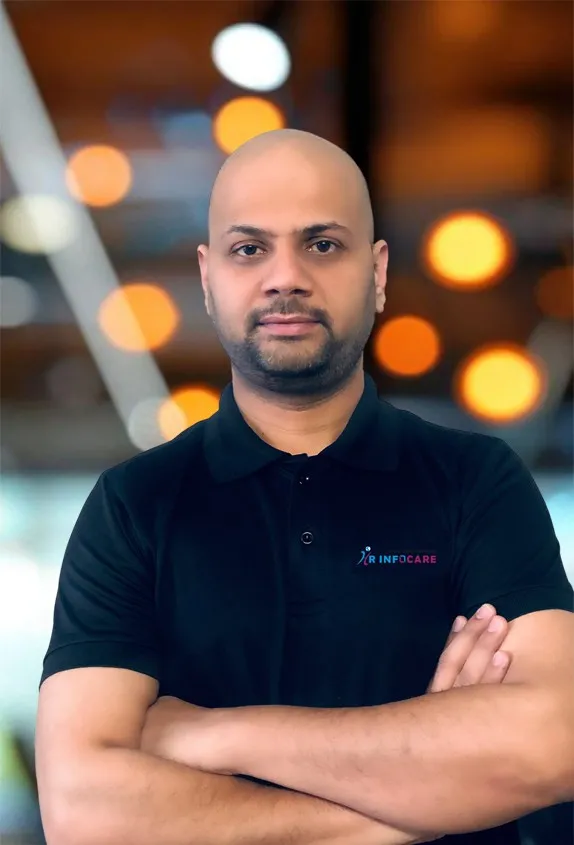
Priyank Patel is the Founder & CEO of HRINFOCARE Limited. With over 20 years of experience in web development, software solutions, AI integration, SEO, and business automation, he has helped companies across Canada, the United States, and internationally build scalable digital solutions.
Unlike traditional agencies where consultations are handled by sales representatives, your strategy session is conducted directly by Priyank, providing practical business and technical guidance based on real-world experience.

